Understanding Licking for Löwchens
Apply the article’s guidance to your own dog. Individual dogs vary.
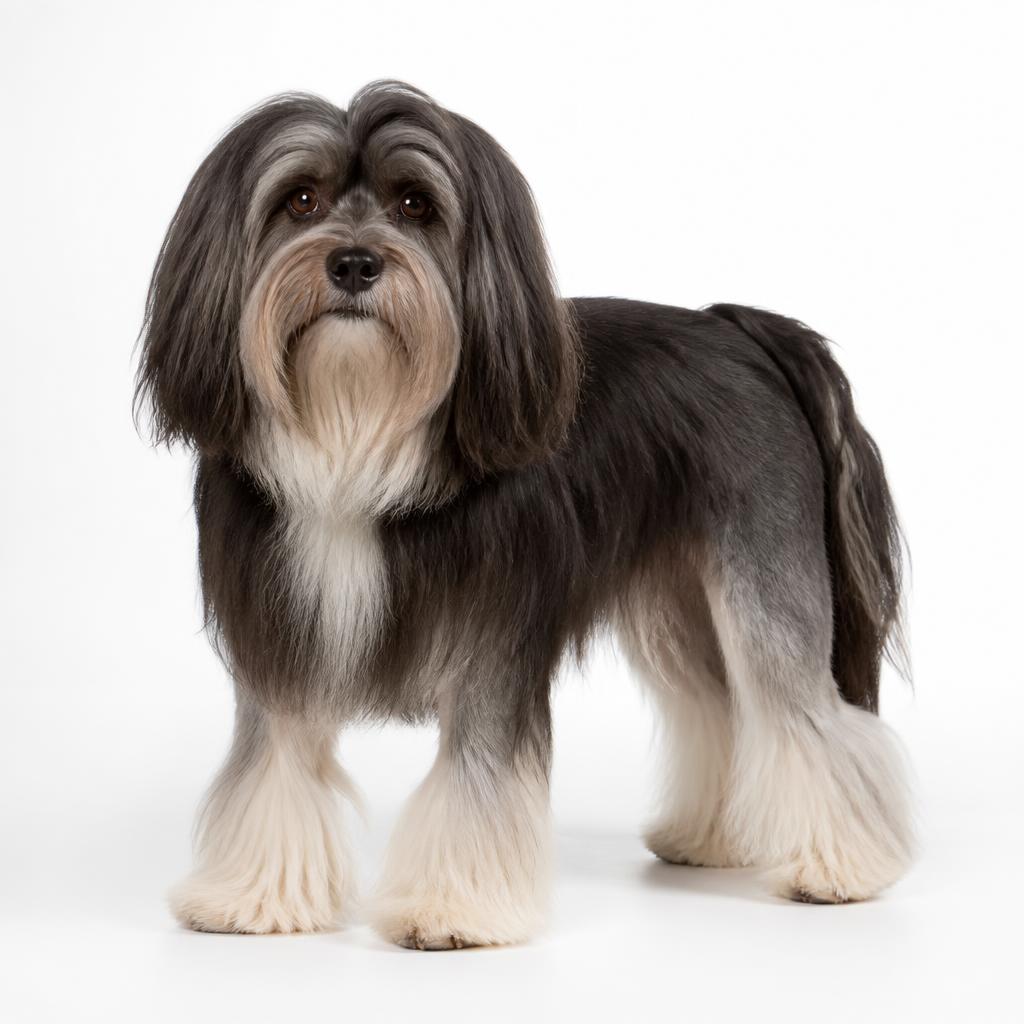
Applying the advice to your Löwchen
Breed tendencies are not predictions about your dog. Use the article’s guidance and focus on what you actually observe.
- Separation Anxiety: Due to their deep bond with their owners, Löwchen can become distressed when left alone, potentially leading to destructive behaviors or excessive barking.
- Mental Stimulation: These intelligent dogs need more than just physical exercise; they thrive on mental challenges, training, and interactive play to prevent boredom.
What to observe for understanding licking
- For when, where and what your dog licks, which of these tendencies do you actually see in your Löwchen? Record an example rather than assuming the breed predicts your dog.
- If separation anxiety shows up in your home, note whether it appears during when, where and what your dog licks: record the trigger, the source-article step you tried, and what you observed.
- If mental stimulation shows up in your home, note whether it appears during when, where and what your dog licks: record the trigger, the source-article step you tried, and what you observed.
Published advice: Why Do Dogs Lick Everything?
Original by Alicia Collins. Read the original free article. The source text below is unchanged.
Care, Affection, and Bonding
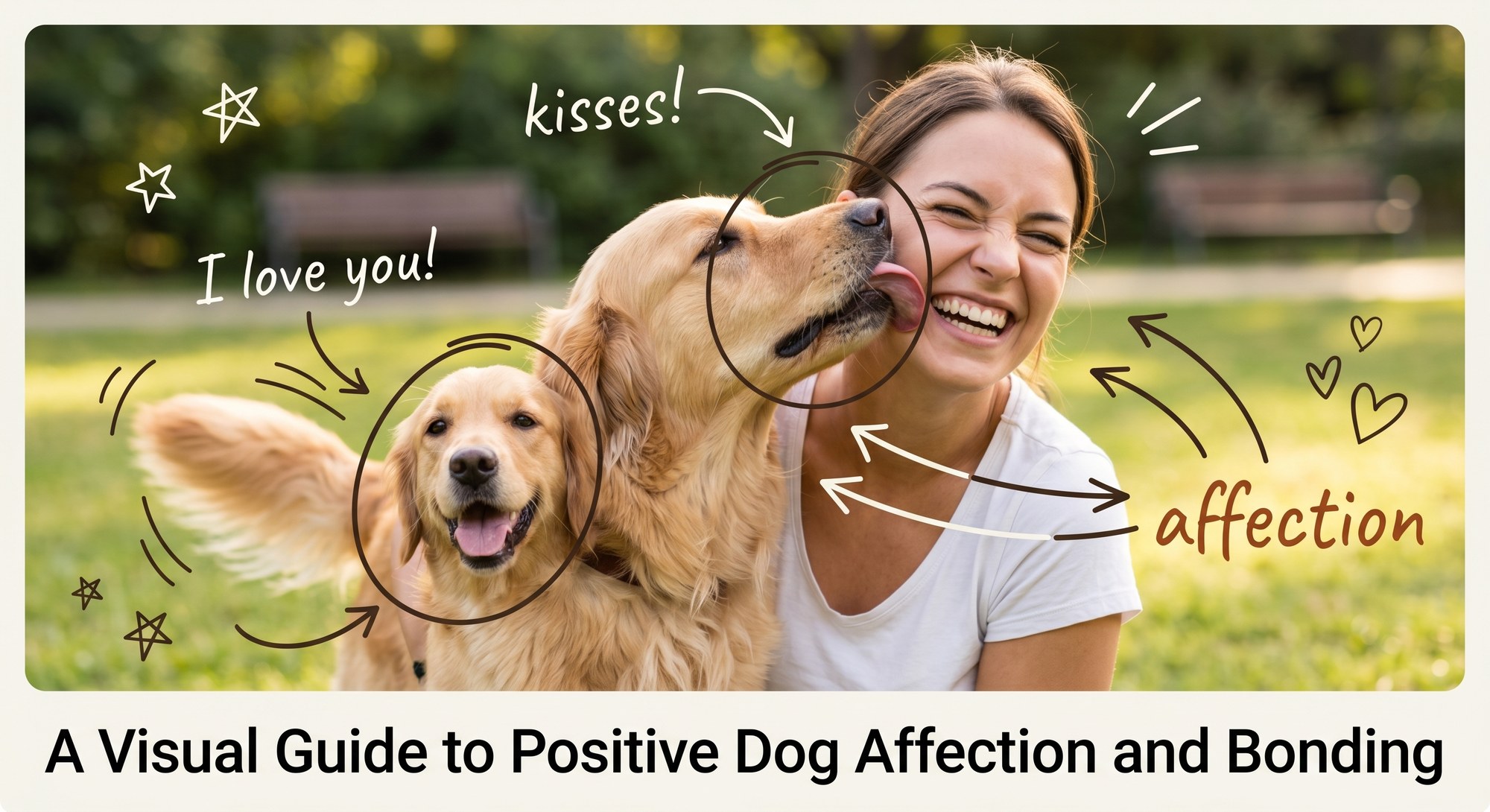
From the moment puppies are born, mother dogs lick them for grooming, warmth, and bonding. This instinct continues into adulthood, with dogs licking their owners and other dogs as a way to show love and affection. If your pup greets you with happy licks, it's likely their way of saying, "I love you!"
Communication and Submission
In the wild, puppies lick their mother's mouth to request food, while younger or more submissive dogs may lick dominant ones as a sign of respect and deference. In a pack, dominant dogs eventually correct excessive licking by showing mild dominance—such as baring teeth or giving a warning snap. If a dog continually licks their owner without receiving any feedback, it can develop into an obsessive behavior over time.
Taste and Exploration
Dogs use their mouths and tongues to explore the world, much like human babies do. They may lick you because they enjoy the salty taste of your skin or because they detect interesting scents on your hands.
Additionally, licking helps dogs gather scent information through their Jacobson's organ (also called the vomeronasal organ) located on the roof of their mouth. This organ helps them analyze pheromones and chemical signals in their environment. If a dog licks furniture or floors persistently, they may be investigating leftover food smells or past spills.
Grooming and Cleaning
Licking is a natural grooming behavior in dogs, much like it is for cats. Since they don't have hands to clean themselves, they use their tongue to remove dirt and debris from their fur. If your dog licks you, it may be their way of "grooming" you as part of their pack.
Stress, Anxiety, or Comfort
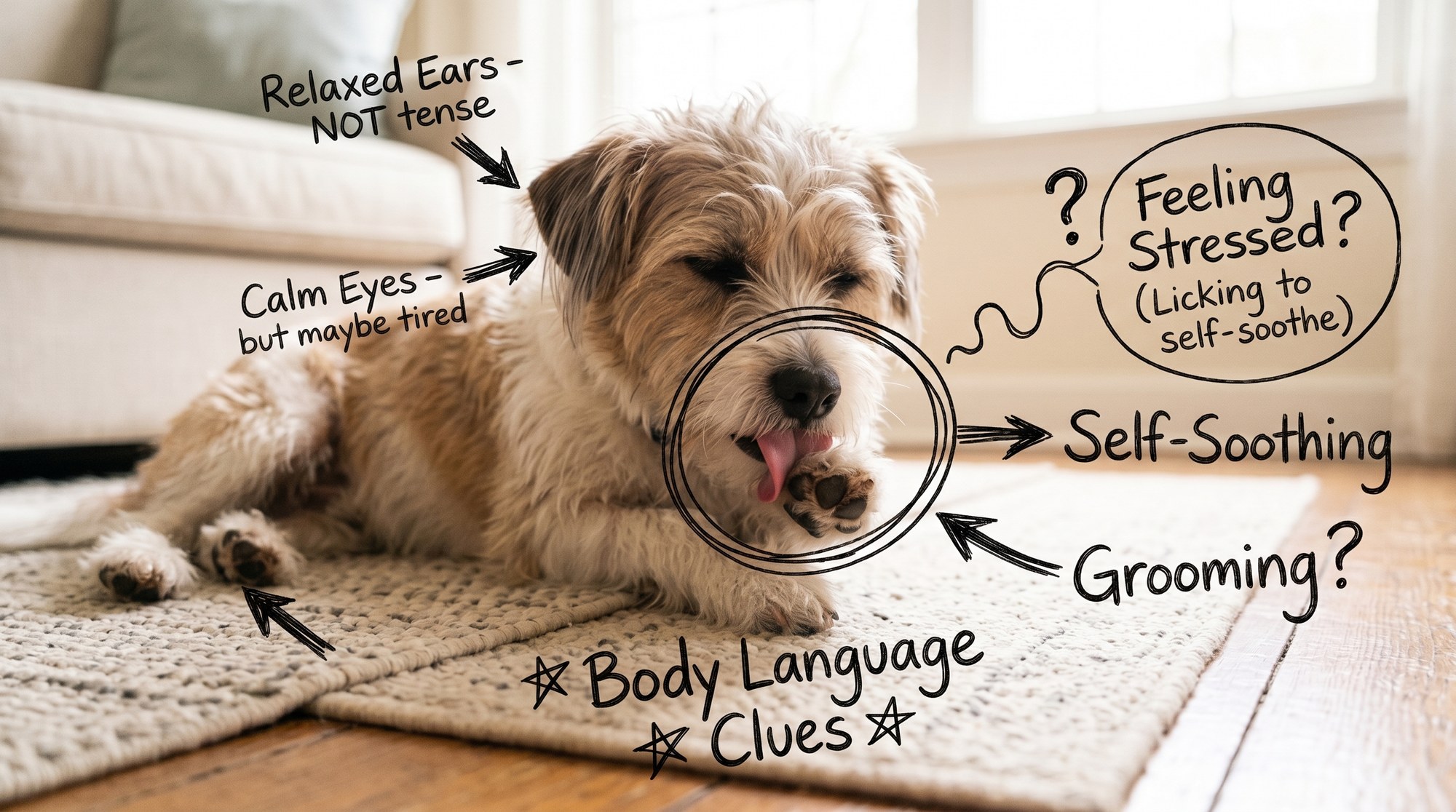
Some dogs lick excessively when they are stressed, anxious, or bored. The repetitive motion can be self-soothing, similar to a child sucking their thumb. If your dog frequently licks objects, themselves, or even you during moments of stress, it could be a sign of separation anxiety or boredom. In extreme cases, compulsive licking may need professional intervention.
Medical Reasons
If a dog repeatedly licks a specific area of their body, it could indicate an underlying health issue, such as:
- Pain or irritation from allergies, insect bites, infections, or injuries
- Nausea, which can cause excessive licking of lips, floors, or objects
If you notice excessive licking, especially paired with hair loss, sores, or digestive issues, it's best to consult a veterinarian.
Final Thoughts
Licking is a natural behavior that dogs use to communicate, explore, and bond. Most of the time, it's a harmless expression of affection, curiosity, or self-care. However, if licking becomes excessive or compulsive, identifying the root cause and addressing it with your vet or a trainer can help keep your pup happy and healthy!
Löwchen Understanding Licking Workbook
Add the topic worksheet to your resource library.