Puppy Socialization for Australian Stumpy Tail Cattle Dogs
Apply the article’s guidance to your own dog. Individual dogs vary.
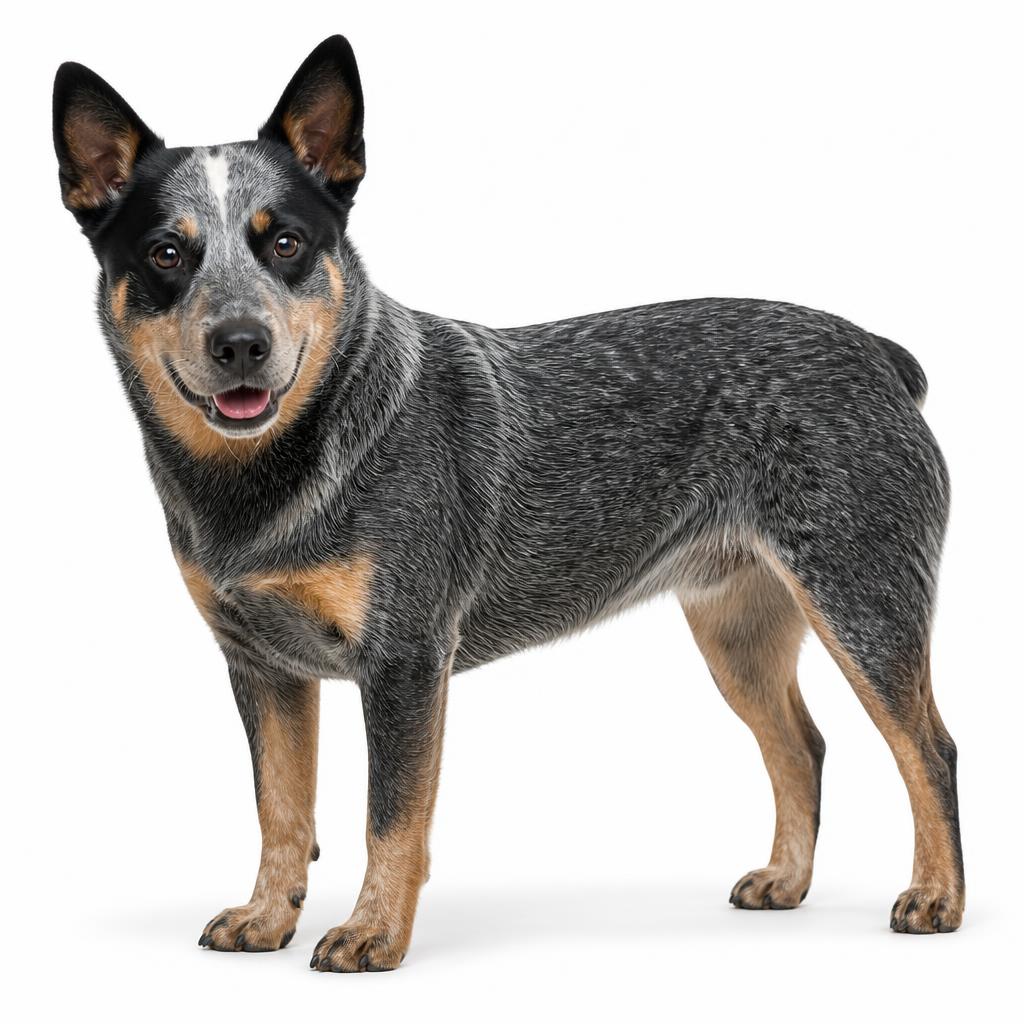
Applying the advice to your Australian Stumpy Tail Cattle Dog
Breed tendencies are not predictions about your dog. Use the article’s guidance and focus on what you actually observe.
- Original purpose: The Stumpy Tail Cattle Dog was developed to drive stubborn cattle across the vast, often harsh Australian outback. This demanding role required immense stamina, intelligence, and a fearless attitude, shaping a dog with strong protective and herding instincts.
- Breed tendencies related to puppy socialization: Guard, Social.
- Protective Nature: While loyal, their natural protective instincts can lead to wariness of strangers and territorial barking if not properly socialized.
- Separation Distress: Highly social and work-oriented, Stumpies can suffer from separation anxiety if left alone for too long without adequate preparation and stimulation.
What to observe for puppy socialization
- For the situations your puppy finds unfamiliar, which of these tendencies do you actually see in your Australian Stumpy Tail Cattle Dog? Record an example rather than assuming the breed predicts your dog.
- If you observe guard during the situations your puppy finds unfamiliar, note the situation and which step from the source article you used.
- If you observe social during the situations your puppy finds unfamiliar, note the situation and which step from the source article you used.
- If protective nature shows up in your home, note whether it appears during the situations your puppy finds unfamiliar: record the trigger, the source-article step you tried, and what you observed.
- If separation distress shows up in your home, note whether it appears during the situations your puppy finds unfamiliar: record the trigger, the source-article step you tried, and what you observed.
Published advice: Key Signs Your Puppy Is Under-Socialized (And What to Do About It)
Original by Alicia Collins. Read the original free article. The source text below is unchanged.
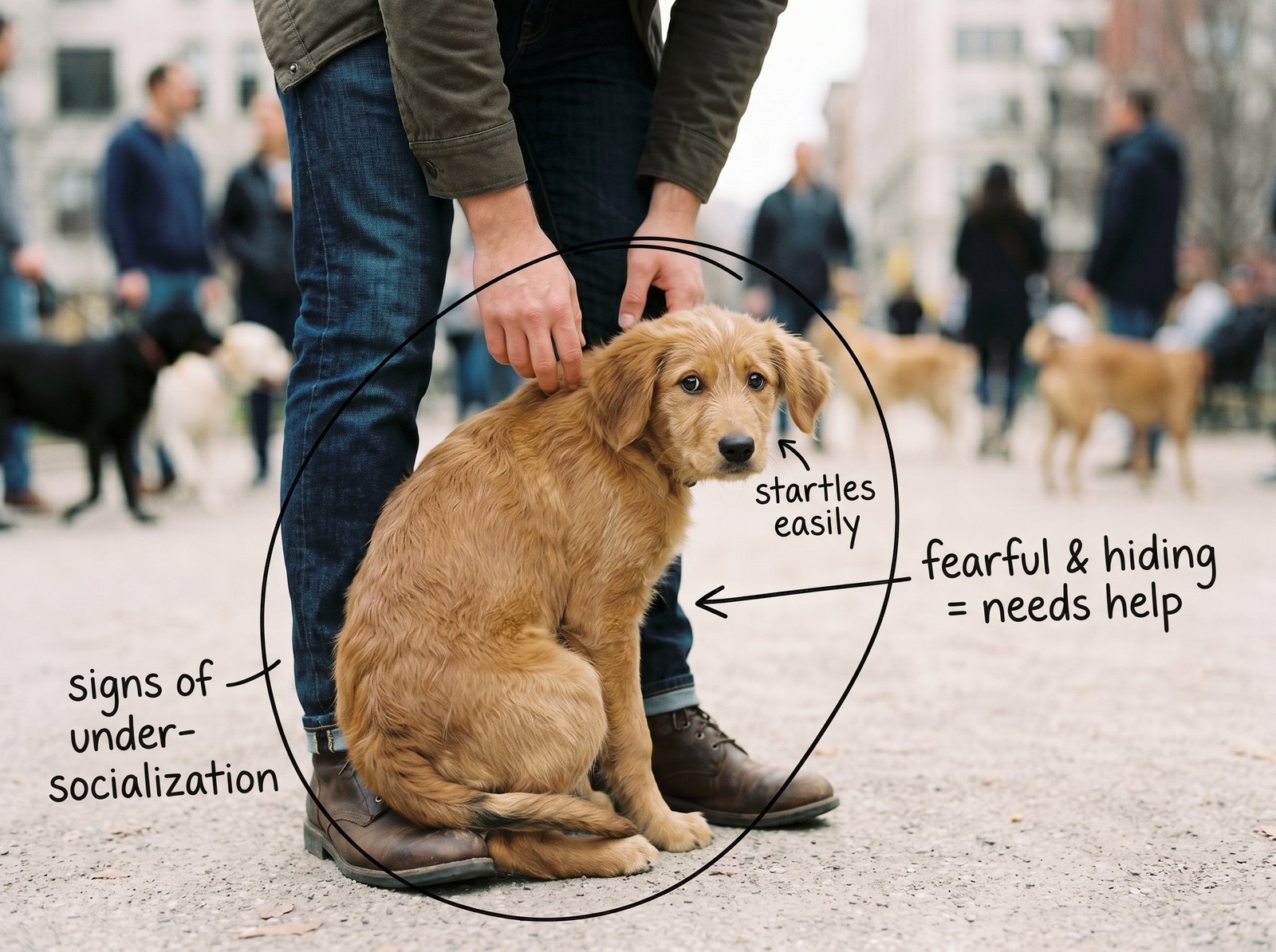
Signs of an Under-Socialized Puppy
There are several behaviors to watch for that can indicate a puppy is under-socialized:
Fearful of new places or people — Fear can look like hiding behind your legs, trembling, drooling, or even barking and lunging at people or dogs.
Startling easily at new sights and sounds — An under-socialized puppy may overreact to everyday stimuli that a well-socialized puppy would take in stride.
Avoidance of touch — Pups that haven't been handled enough might be uncomfortable even with gentle human touch.
The Role of Structured Activities
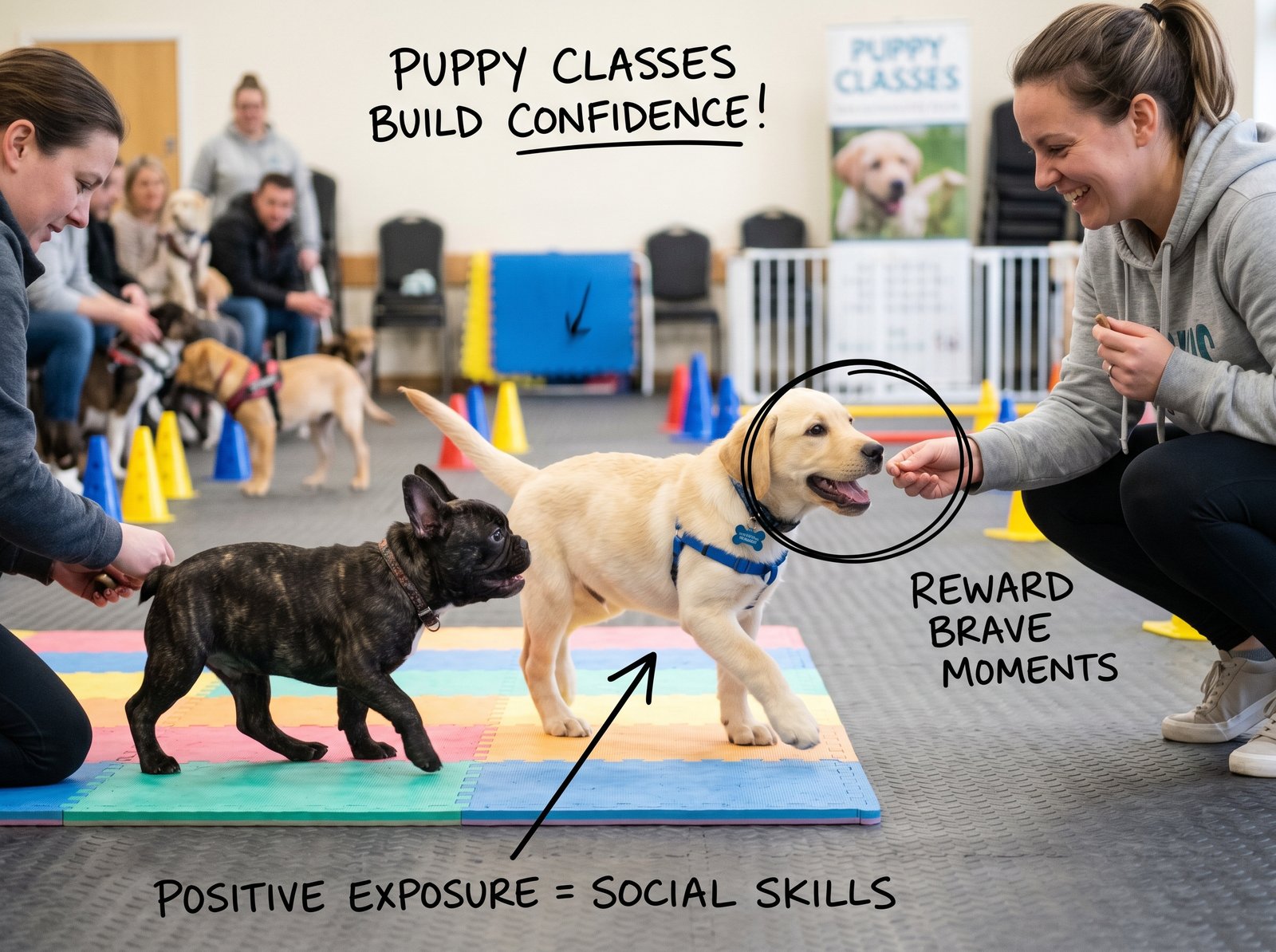
Puppy classes and playgroups can be useful tools to properly socialize a puppy.
Structured puppy classes offer a great way to engage positively while your puppy learns useful obedience commands. Participating in classes with other puppies and people can help neutralize your puppy to new situations.
Playgroups that are carefully curated and well supervised can teach your puppy good manners and help them learn proper limits to play.
Helping Your Dog Feel Comfortable in New Environments
Owners can help their puppy gain confidence and be more comfortable in new or busy environments by starting with the awareness that the puppy is having challenges. Here's how:
- Stay neutral — It's important not to accidentally reinforce fear by soothing the puppy with words like "it's okay."
- Use gradual exposure — Give the puppy time to adjust, but not so slow that it hinders progress.
- Reward bravery — Look for moments of courage and reward with praise or food.
- Sometimes push through — In some cases, it's better to push through the fear and show them it's safe.
- Increase obedience practice — Working and practicing in progressively more challenging situations can support a dog adjusting to new environments.
Red Flags That Indicate Professional Help Is Needed
It's always smart to get professional help if you are unsure of the best way to socialize or train your puppy. Red flags that professional help is needed ASAP include:
Growling or biting family members — Regardless of the root cause (fear, anxiety, or aggression), these behaviors are best addressed by professionals so they don't progress.
Extreme fear — Screaming or losing bowels due to fear is challenging to overcome and takes a seasoned professional to help introduce dogs, people, and places in a positive way.
Reactivity on leash — Lunging, barking, or growling at dogs or people in public can put others at risk. Working with a professional trainer in a safe training environment can avoid unnecessary injuries and liability.
Owner experience — It's always okay (and better for the dog) to ask for help if you are unsure of the best way to proceed.
What Being a Responsible Dog Owner Really Means
Being a responsible dog owner goes far beyond just providing food and shelter. It means committing to the physical, emotional, and social well-being of your dog for their entire life.
True responsible dog ownership includes proper nutrition, regular exercise, veterinary care, and a commitment to being the best dog owner you can be.
Good news: being a responsible dog owner does not require perfection. Dogs are incredibly forgiving! They have an amazing ability to live in the moment, move past mistakes, and continue to love unconditionally.
Australian Stumpy Tail Cattle Dog Puppy Socialization Workbook
Add the topic worksheet to your resource library.