Sleep and Rest for Australian Cattle Dogs
Apply the article’s guidance to your own dog. Individual dogs vary.
Applying the advice to your Australian Cattle Dog
What to observe for sleep and rest
- Use the article’s guidance and note what you observe about your own dog during sleep and rest.
Published advice: How Much Sleep Do Puppies and Dogs Need?
Original by Alicia Collins. Read the original free article. The source text below is unchanged.
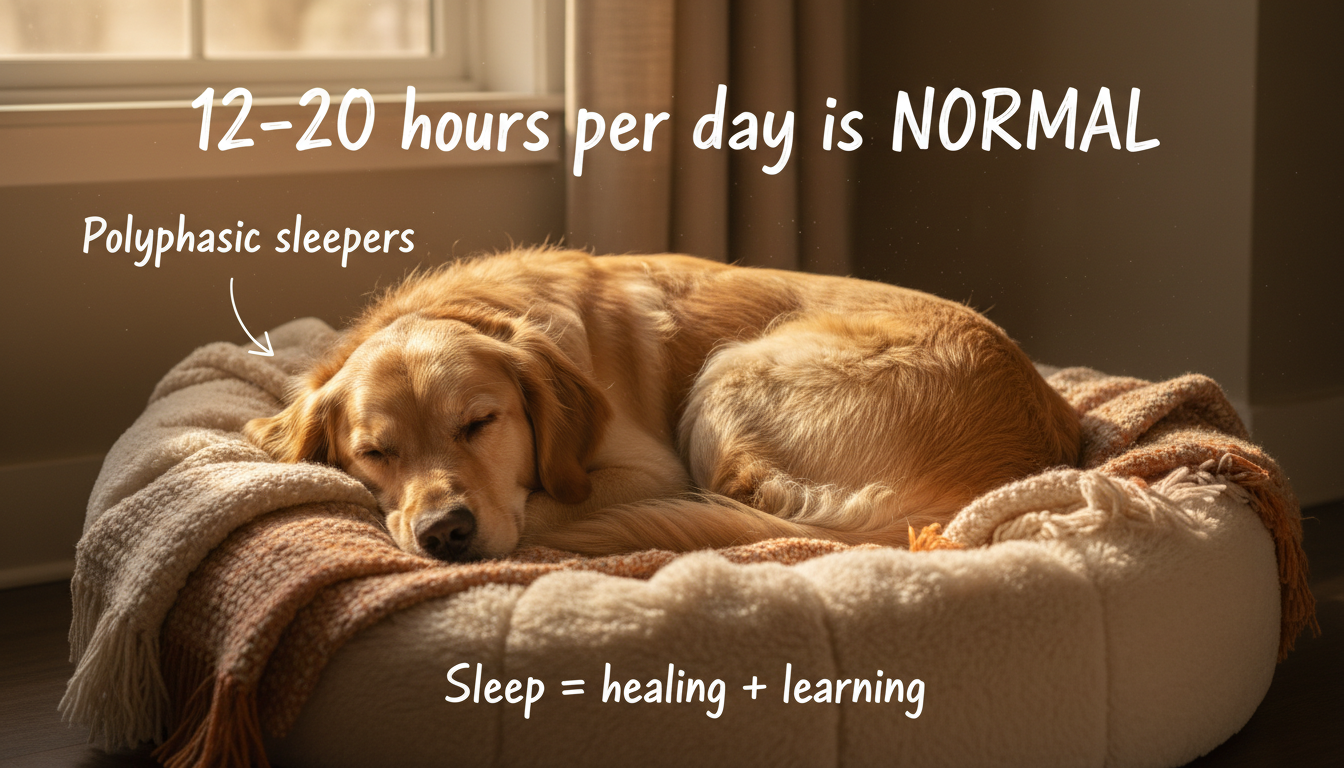
If you've ever watched your dog snooze the day away and wondered if something's wrong, you're not alone. The truth is, dogs sleep a lot more than humans — and that's completely normal.
Most professionals agree that 12-20 hours of sleep per day is typical for dogs. But how much your dog actually needs depends on their age, size, and breed.
Sleep Needs by Age
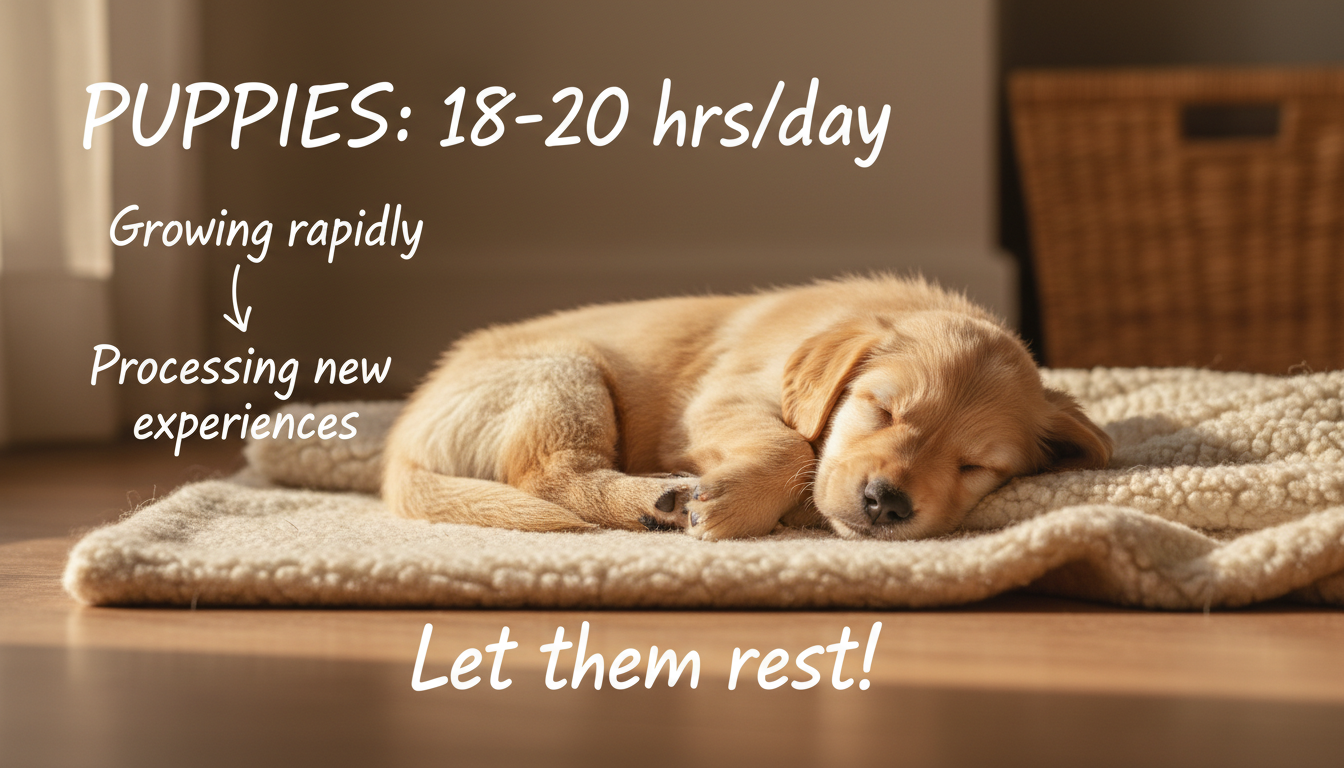
Puppies: 18-20 Hours
Puppies need the most sleep of any life stage — around 18-20 hours per day. This might seem excessive, but their little bodies are growing rapidly, and their brains are processing a constant stream of new experiences. Sleep is when all that learning gets consolidated into memory.
If your puppy seems to crash hard after playtime or training, that's exactly what they should be doing. Let them rest!
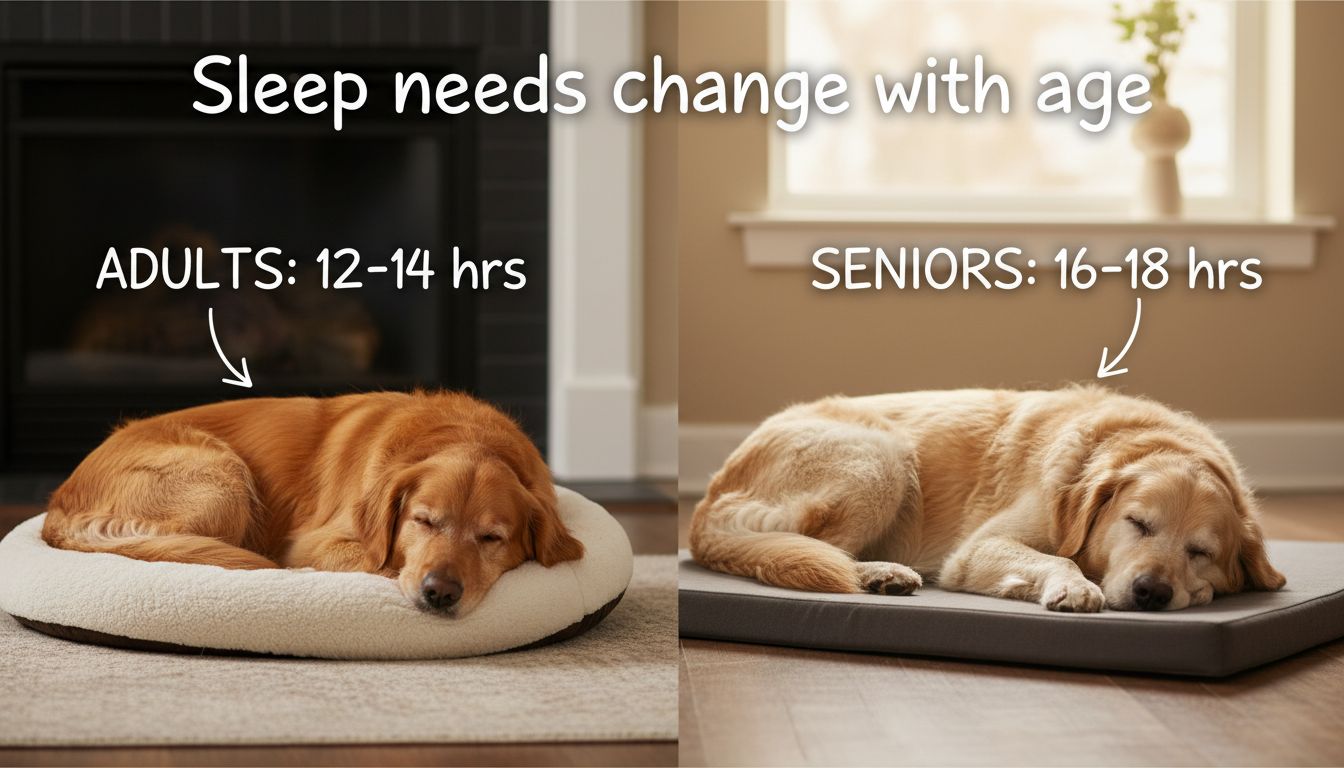
Adult Dogs: 12-14 Hours
Adult dogs typically sleep 12-14 hours per day. Most of this happens at night, with shorter naps scattered throughout the day. A healthy adult dog can stay active for longer stretches before needing to recharge.
Senior Dogs: 16-18 Hours
As dogs age, their energy levels naturally decrease, and they tend to need more sleep — often 16-18 hours per day. This is normal and expected. Senior dogs may also sleep more deeply and take longer to wake up.
Why Do Dogs Sleep More Than Humans?
Unlike humans, who consolidate sleep into one long period at night, dogs are polyphasic sleepers — meaning they sleep in multiple shorter periods throughout the day and night.
Their brains also process information differently. Dogs experience REM sleep (the deep, dreaming phase) for shorter durations than humans, which means they need more total sleep time to get the same restorative benefits.
Sleep is essential for:
- Memory consolidation — processing what they learned that day
- Learning — making training stick
- Overall health — physical and mental restoration
Day vs. Night: When Do Dogs Sleep?
Dogs naturally follow a polyphasic sleep pattern, so while most of their sleep happens at night, they still take several naps throughout the day.
Puppies and senior dogs tend to nap more frequently, while healthy adult dogs can stay active for longer periods before needing rest.
This is why your dog might be wide awake at 6am ready to play, then passed out on the couch by 10am. That's normal!
What Are Normal Sleeping Habits?
Normal sleeping habits include:
- Sleeping through the night with brief waking periods
- Taking naps throughout the day, often after activity
- Adjusting sleep based on energy levels and daily routine
- Sleeping more on rainy or cold days
- Sleeping more after particularly active days
When Should You Be Concerned?
Excessive sleep could be a concern if:
- Your dog's sleep pattern suddenly changes
- They seem excessively lethargic even when awake
- They're difficult to wake up or show disinterest in usual activities
- They wake up frequently at night (could indicate discomfort or anxiety)
- They refuse food alongside increased sleeping
- They seem sluggish or "off" when they are awake
If you notice these signs, check with your vet to rule out underlying health issues like hypothyroidism, diabetes, infections, or pain.
When Is It Normal to Sleep More?
It's normal for dogs to sleep more during:
- Growth phases — puppies and young dogs need extra rest
- Recovery from activity — after play sessions, training, or long walks
- Cold or rainy weather — dogs naturally become less active
- Aging — older dogs simply need more rest
It's not normal if increased sleep comes with loss of interest in activities they usually enjoy, refusing food, or seeming "off" when awake.
What Affects Your Dog's Sleep Quality?
Several factors impact how well a dog sleeps:
Activity Levels — A well-exercised dog sleeps better than one with pent-up energy. Mental stimulation matters too!
Diet and Health — Poor nutrition, pain, or illness can disrupt sleep. If your dog seems restless at night, a vet checkup might be in order.
Stress and Anxiety — A stressed dog may sleep less, have restless sleep, or wake frequently. Address the underlying anxiety to improve sleep.
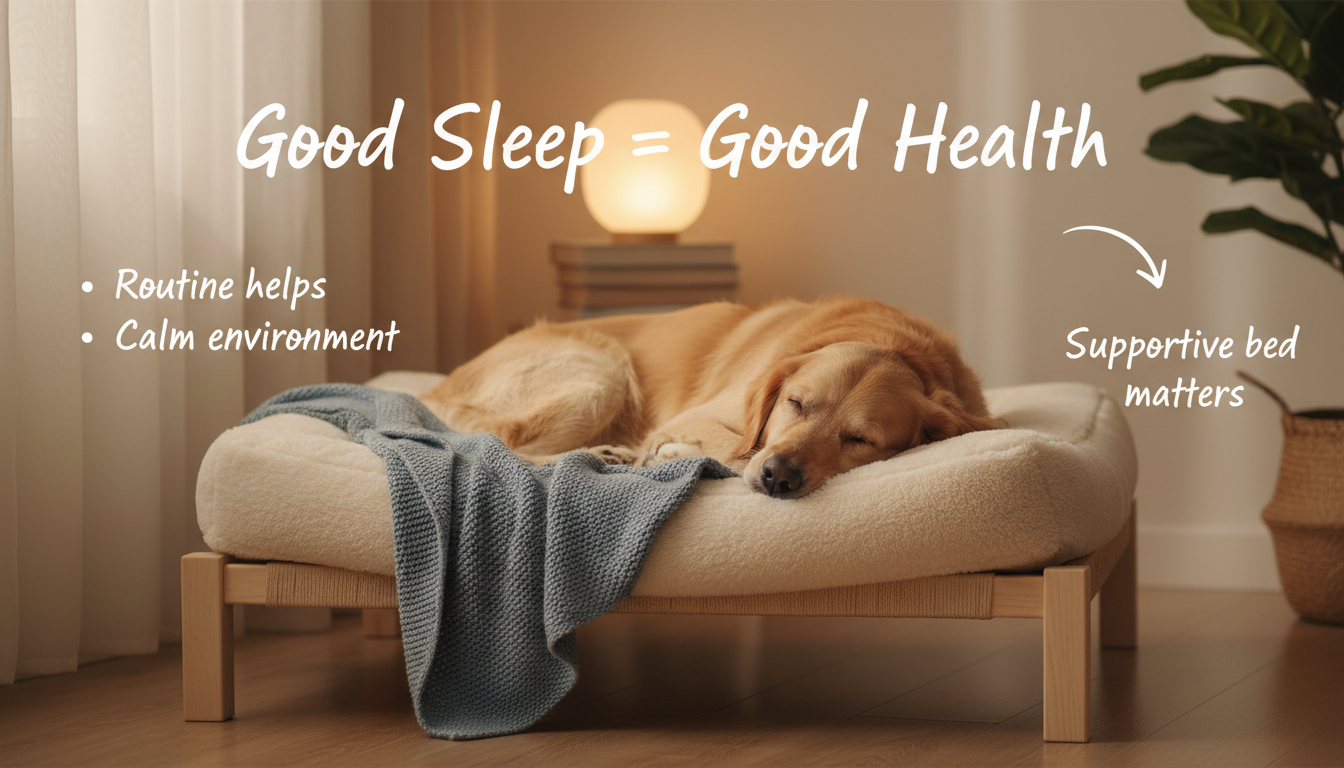
Environment — Temperature, noise levels, and comfort all affect sleep quality. Dogs sleep better in quiet, comfortable spaces.
What Happens During Sleep?
Just like in humans, sleep is crucial for your dog's overall well-being. Proper sleep helps with:
- Muscle and tissue repair — physical restoration happens during deep sleep
- Immune system function — sleep keeps the immune system strong
- Memory consolidation — training and learning gets "saved" during sleep
- Mood regulation — well-rested dogs are happier and more emotionally balanced
A sleep-deprived dog may be more reactive, have trouble learning, and be more prone to illness.
How to Improve Your Dog's Sleep
Provide a comfortable sleeping space — I love Kuranda brand beds because they offer support, don't retain pet odors, and are nearly impossible to chew up. Nothing is worse than investing $100 in a bed only to have it destroyed in an afternoon.
Establish a routine — Regular feeding times, exercise schedules, and consistent bedtimes improve sleep quality significantly. Dogs thrive on predictability.
Create a calming environment — Dim the lights in the evening, reduce noise, and provide a cozy designated sleep spot. Some dogs do well with a covered crate that feels den-like.
Consider supplements — If your dog struggles to settle, supplements containing melatonin, L-Tryptophan, or Valerian Root can promote relaxation and better sleep. I recommend a product for dogs called Calm Caps — available on Amazon.
Address underlying issues — If sleep problems persist, work with your vet to rule out pain, anxiety, or medical conditions that could be disrupting rest.
The Bottom Line
Dogs sleep a lot — and that's perfectly normal. Understanding your dog's sleep needs based on their age helps you know what to expect and when to be concerned.
Quick reference:
- Puppies: 18-20 hours
- Adults: 12-14 hours
- Seniors: 16-18 hours
If your dog's sleep patterns suddenly change, or they seem "off" even when awake, a vet visit is a good idea. Otherwise, let your pup snooze — they need it!
Australian Cattle Dog Sleep and Rest Workbook
Add the topic worksheet to your resource library.